
There was a time when shiny hair meant heavy silicones, endless oils, and hoping for the best. Today? Women everywhere are asking smarter questions:
- Why does my hair look healthy but feel weak?
- Why do masks work once… then stop?
- Is damage actually reversible—or just hidden?
From Seoul to Paris to Los Angeles, hair conditioning masks have become a non-negotiable ritual—not for luxury, but for hair health. And science is finally catching up with what women have been asking for all along: real repair, not temporary shine.
Let’s break down what hair masks actually do, how to choose the right one, and why a new generation of biotech formulas is changing the industry entirely.
What Is a Hair Conditioning Mask—Really?
A hair conditioning mask is a high-concentration treatment designed to go beyond surface conditioning. Unlike regular conditioners (which mainly smooth the cuticle), masks are formulated to:
- Restore moisture lost from heat, UV, and chemical services
- Reinforce weakened hair fibers
- Improve elasticity, softness, and manageability
- Reduce breakage and dryness over time
Globally, hair masks are used differently:
- Asia: Focus on scalp balance + internal hair health
- Europe: Repair and longevity over instant results
- U.S.: Damage reversal from heat, bleach, and styling
The best masks today borrow from all three philosophies—hydration, repair, and long-term resilience.
Why Hair Gets Damaged (Even When You “Take Care of It”)
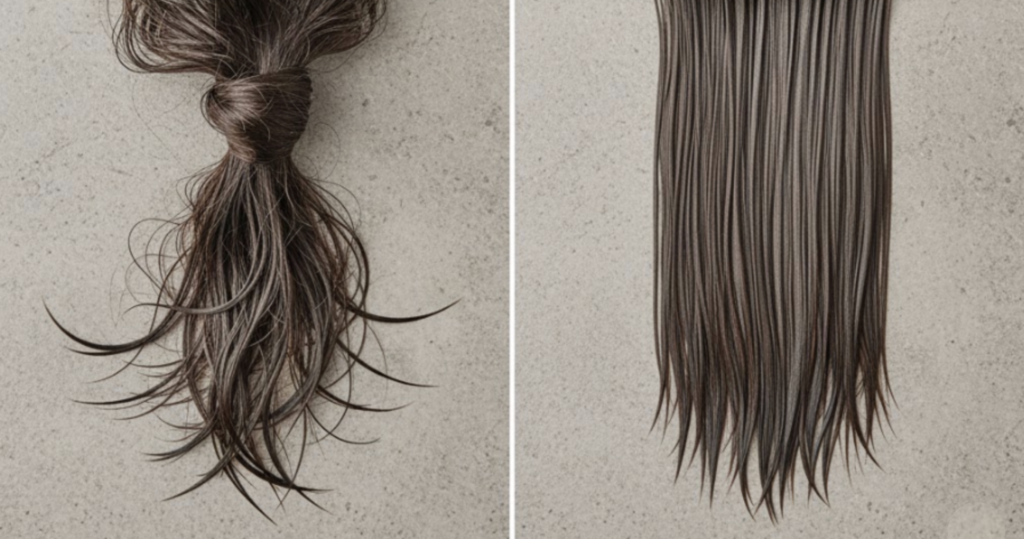
Hair damage isn’t just about over-styling. Scientifically, damage happens when the polypeptide chains inside the hair fiber break. These chains are responsible for strength, elasticity, and bounce.
Common causes worldwide include:
- Bleaching and coloring
- Heat tools (even on “low heat”)
- Chemical straightening or perms
- UV exposure and pollution
- Mechanical stress (tight styles, brushing wet hair)
Once these internal chains break, no amount of oil can truly fix them—unless the formula can reach inside the hair.
That’s where the industry is shifting.
The New Standard: Repair From the Inside Out
Modern hair science now focuses on biomimetic repair—using ingredients that act like the hair’s natural building blocks.
Instead of coating damage, advanced treatments:
- Travel into the inner layers of the hair fiber
- Reconnect broken keratin chains
- Restore strength and elasticity at the molecular level
This is why some treatments feel different after just one use—not slippery, but stronger.
Ingredient Spotlight: Why Peptide Technology Is a Game-Changer
Peptides are short chains of amino acids—the same components that make up hair itself. When engineered correctly, they can integrate with damaged hair structures.
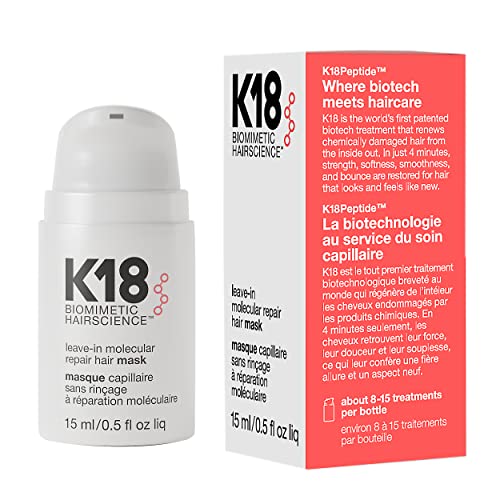
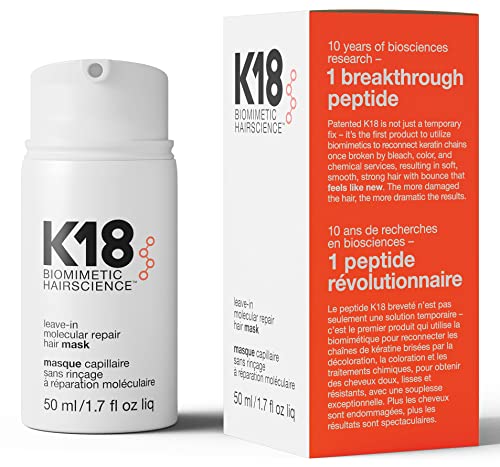
A standout example in this category is K18, a biotech-backed conditioning mask that has gained global recognition in salons and at-home routines.
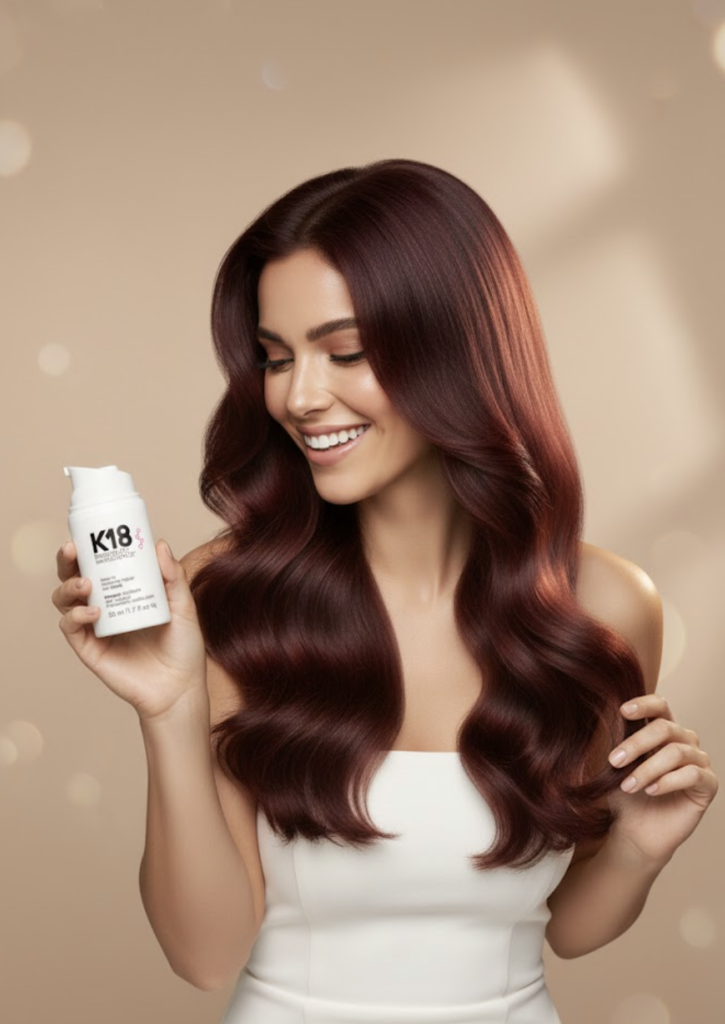
- Uses a patented K18Peptide™ designed to mimic hair’s natural structure
- Penetrates to the innermost layers of hair
- Works in 4 minutes (no long masking time)
- Leaves hair soft, strong, and bouncy—without heaviness
- Suitable for all hair types and textures
Rather than masking damage, it works to renew hair from the inside, which is why results don’t disappear after one wash.
(This product is widely used by professionals and consumers globally and has become one of the most talked-about repair treatments in recent years.)
Real-World Results Women Notice First
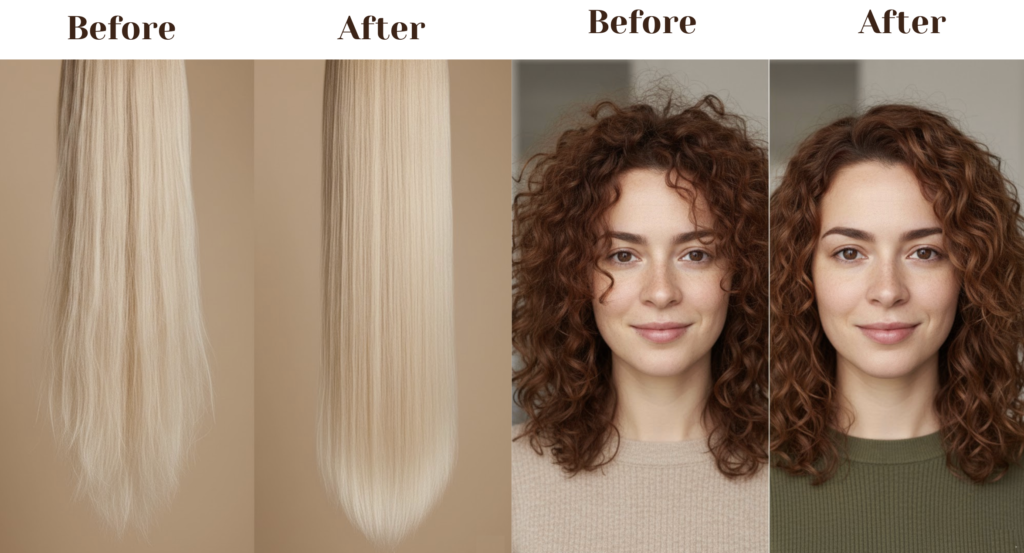
Across different hair types and regions, users commonly report:
- Hair feels stronger but still lightweight
- Less breakage during brushing and styling
- Improved smoothness without losing volume
- Hair looks healthier even without styling products
One of the biggest indicators of real repair?
Hair holds its shape better and breaks less over time.
That’s the difference between cosmetic conditioning and structural repair.
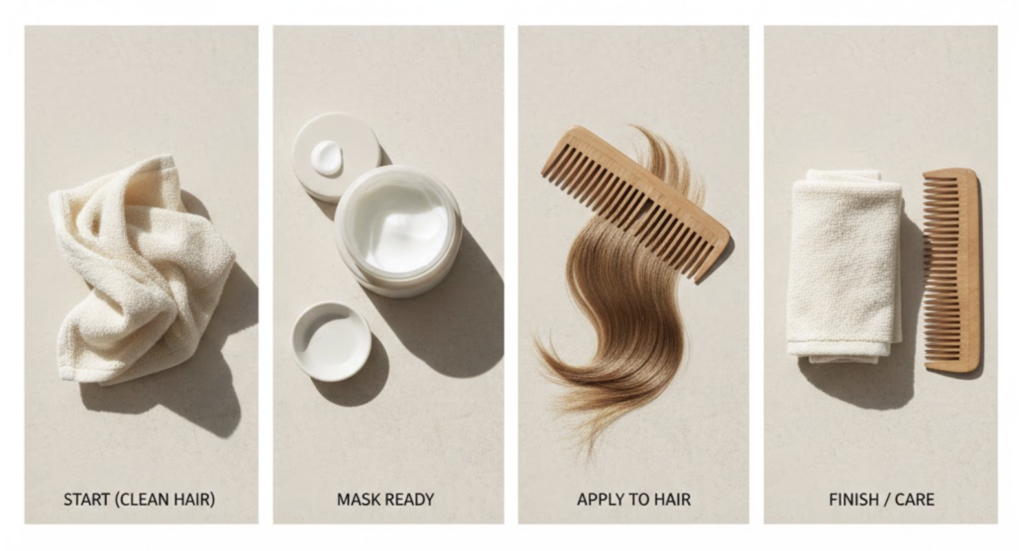
How to Use a Hair Mask for Maximum Results
No matter the brand, technique matters.
General best practices:
- Shampoo thoroughly (skip conditioner if the mask is leave-in)
- Towel-dry hair—water dilutes effectiveness
- Apply evenly, focusing on mid-lengths and ends
- Use the recommended time (more ≠ better)
- Avoid overuse—repair masks work best when respected
Healthy hair thrives on consistency, not overload.
Beauty Routines Work Best When They’re Connected
Hair health doesn’t exist in isolation. The same principle applies to lashes, brows, and skin—repair, nourish, and support natural growth cycles.
That’s why many women pair hair repair routines with targeted treatments like lash serums designed to support healthier-looking lashes over time. When chosen carefully and used consistently, these products complement an overall beauty-from-within philosophy.
(As with any beauty product, results vary by individual, and consistency matters.)
The Takeaway: Invest in Repair, Not Illusions
The future of beauty isn’t louder marketing—it’s smarter formulas.
Hair conditioning masks are no longer about temporary shine. They’re about:
- Understanding hair biology
- Choosing ingredients with purpose
- Building routines that respect long-term hair health
When women invest in products that truly work with their hair, not against it, the difference shows—not just today, but months from now.
Healthy hair isn’t a trend.
It’s a standard.
Affiliate Disclosure
This post contains affiliate links. If you choose to purchase through them, I may earn a small commission at no extra cost to you. I only share products that are widely used, well-reviewed, and aligned with healthy beauty practices. Results vary and are not guaranteed.
- The Secret to Juicy, Bigger-Looking Lips That Stay Moisturized for 12 Hours
- Stop Frying Your Hair: The Smart Woman’s Guide to Heat Protection That Actually Works
- The Hair Mask Era: Why Modern Women Are Rewriting the Rules of Hair Repair
- The Glow Without the Burn: How to Tan Effectively, Safely, and Beautifully
- The Lash Growth Secret No One Really Explains (And Why Your Serum Might Not Be Working Yet)